If your first gel or acrylic set is coming off soon, here is the part nobody warns first-timers about: removal, done wrong, does more damage than the set ever did while you wore it. At Chic Nail Spa in Gastonia, a proper soak-off is a calm, unhurried sequence, and watching it once teaches you exactly what to expect, what to do at home if you must, and what should never happen to your nails in any chair.
The principle fits in one sentence. The product is built to dissolve in acetone; your job is to give the acetone time and contact, and never to substitute force for either.
Your first removal, step by step
- The surface gets filed first. The technician breaks the glossy top layer with a file so solvent can get in. On acrylic and dip, some bulk may be filed down too. Your natural nail should not be touched by this filing, and you should feel pressure, never heat or pain.
- Cotton and acetone go on each nail. Small pieces of cotton soaked in acetone are placed on the nails and wrapped with foil, or you soak fingertips in a bowl for some systems. The wraps look like silver fingertips and feel cool as the acetone evaporates.
- You wait, and waiting is the treatment. Gel polish usually needs about 10 to 15 minutes. Dip and acrylic take longer, often 20 minutes or more, sometimes in two rounds. First-timers are often surprised that nothing dramatic happens in this phase; softening is invisible until it is tested.
- The softened product is nudged off. With a wooden stick or pusher, the technician pushes gently and the coating comes away in soft flakes or a jelly-like layer. Ready product needs almost no force. Anything resisting goes back under a wrap instead of being pried.
- Stubborn spots get a second soak, not a scrape. Thumbs and dominant-hand nails commonly need extra minutes. A second short round is normal professional practice, not a sign something went wrong.
- The nails are washed, shaped, and oiled. Once clean, your nails are trimmed or shaped as you like, and cuticle oil goes on because acetone is extremely drying. The pale, chalky look at this moment is temporary dehydration, not damage.
- You inspect together. With product fully off, look at your natural nails: even color, no green or dark patches, no pain when pressed. This check is one of the real values of a salon removal, especially after a first set.
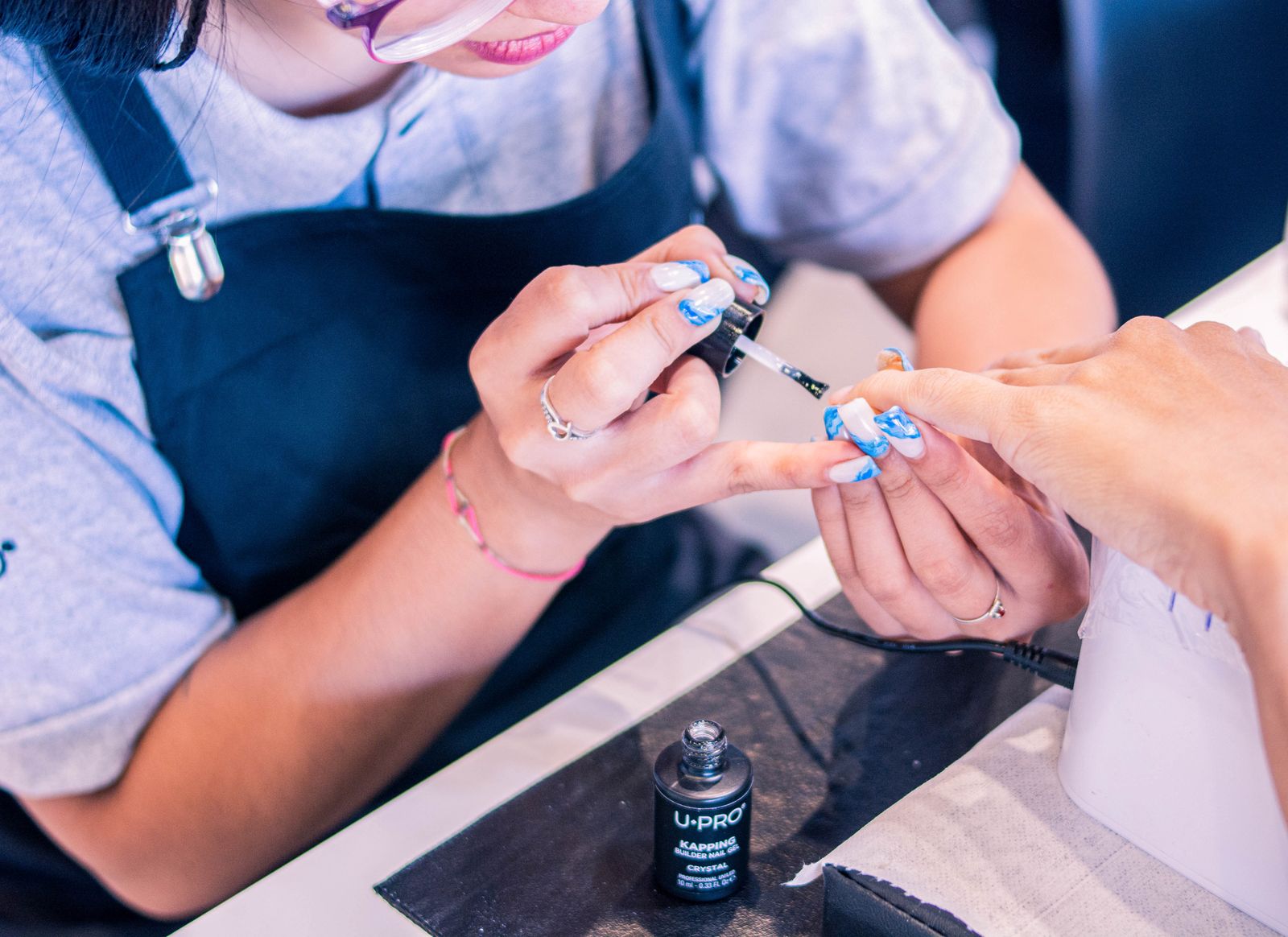
What should never happen
No dental floss, cards, or spare nail tips should ever be slipped under your coating to pop it off. No technician should pry a resistant section, and your own nails should never be used as the tool to lift product on the other hand. At home, the same rules apply, with one addition: if you have thick acrylic or dip and no experience removing it, the salon trip is the removal plan. The products are harder, the soak is longer, and the temptation to help it along at minute twelve is exactly where first-timers tear layers off their nail plates and spend months growing out the evidence.
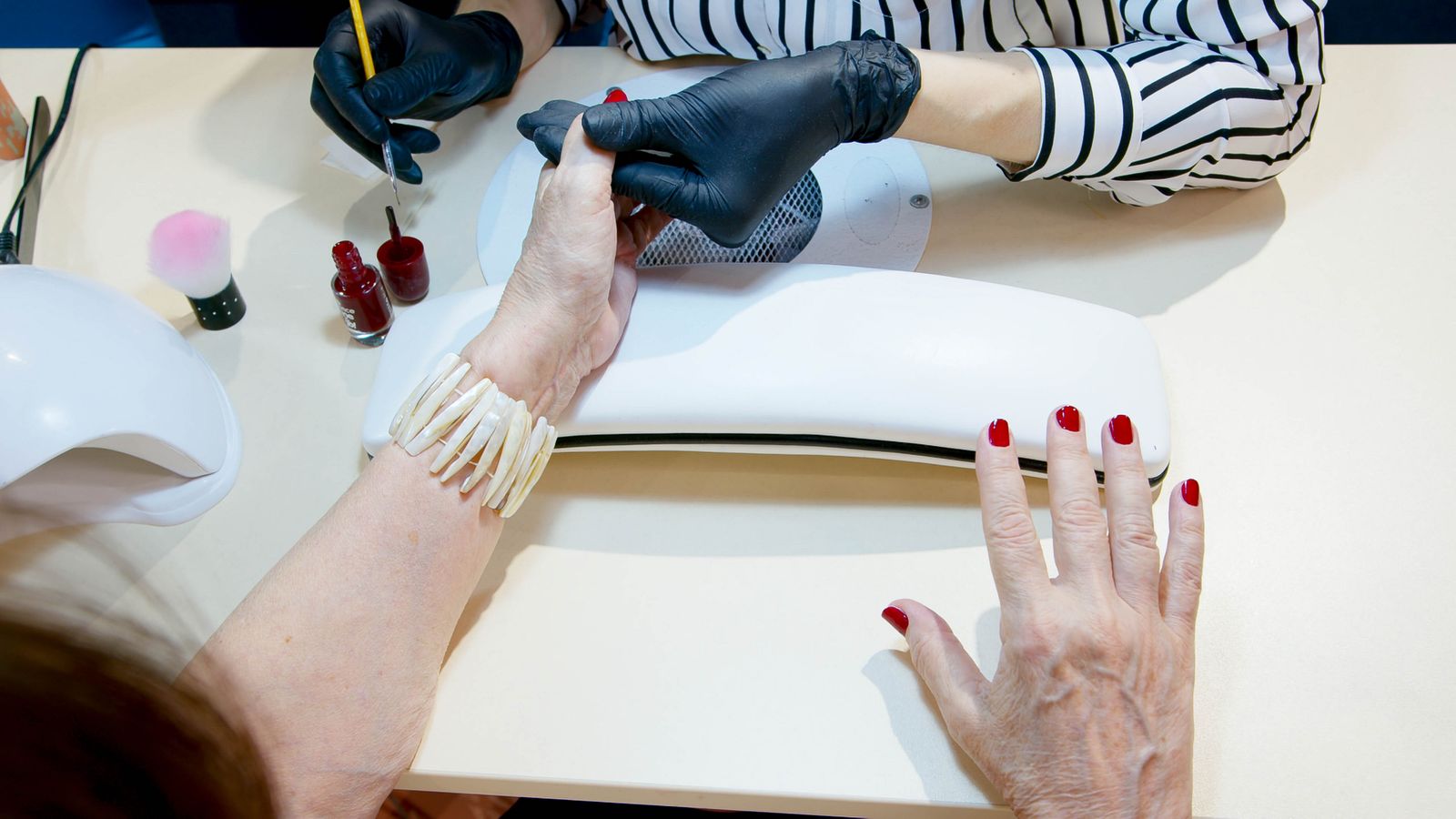
How your nails should feel afterward
Expect flexibility for a day or two, dryness around the cuticles, and nails that look a little dull until oil and a day of normal life restore them. Tenderness, ridges you can feel with a fingertip, white torn patches, or a nail noticeably thinner than its neighbors are not normal after-effects; they are signs force was used somewhere. Keep bare nails short, oil them daily, and wear gloves for cleaning while the surface settles. If you are reapplying a set the same day, a healthy plate from a patient removal is simply the best foundation it can possibly have, and it will hold the new set longer than a plate that was rushed.
Common questions
Does soak-off removal hurt?
It should not hurt at all. You may feel cold from evaporating acetone and light pressure from filing and pushing. Heat, burning, or pain during filing means you should speak up immediately.
Can I remove gel polish at home as a first-timer?
Gel polish, yes, with pure acetone, foil wraps, and patience for the full soak time. Start with one hand, follow the same steps, and re-soak any resistant nail rather than scraping it.
Why did one nail take much longer than the others?
Thumbs and the dominant hand often carry slightly thicker product and get filed and wrapped last in sequence. Thickness, not trouble, is the usual reason one nail needs a second soak.
Photos in this guide are representative stock images.
← All guides from Chic Nail Spa← Back to Chic Nail Spa