Acrylic and dip sets do not end when they come off. Most of the time they continue, with a fill-in: the grown-out area near the cuticle is leveled, the product is rebalanced, and fresh material restores the set for another cycle. Fills run on a rhythm of roughly two to three weeks, and that number is not salon pressure. It is geometry. As your nail grows, the thickest, strongest part of the enhancement moves forward toward the tip, leaving thin new growth at the base and a heavy lever at the end. In Gastonia, the sets that fail badly are almost never new sets; they are good sets filled too late, one time too many.
What a fill actually does
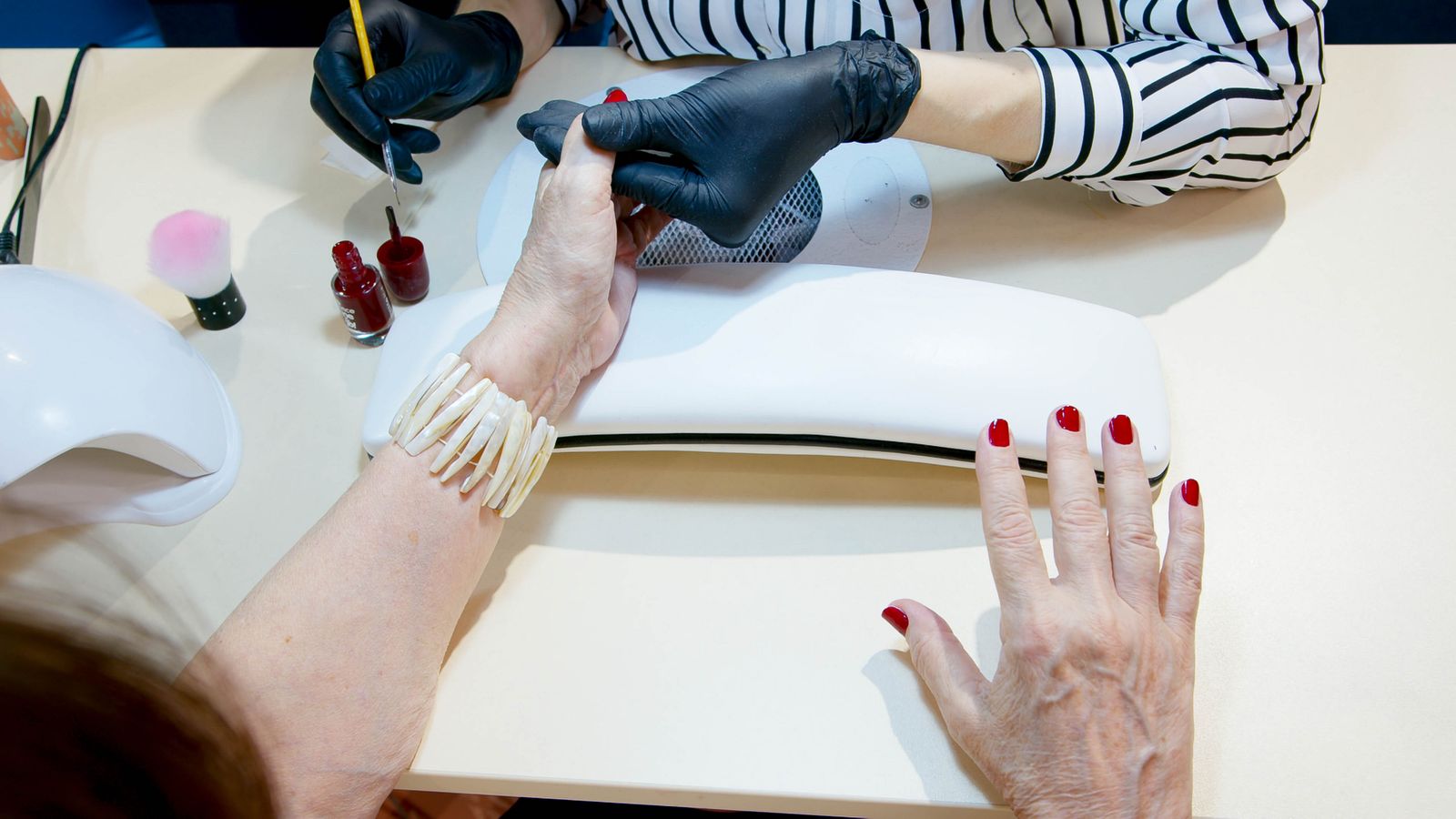
A fill is structural maintenance, not a top-up of color. The technician files down the lifted or grown-out edge, removes any product that has lost its bond, preps the new growth, and applies fresh product so the stress point, the thickest zone, sits back over the middle of the nail where it protects best. Polish or gel color goes on last. A fill on a sound set takes less time than a new set and preserves the length and shape you have been growing into, which is why most regulars at Chic Nail Spa spend most of the year in fills and only reset a few times.
The tell-tales that a fill is due, or overdue
Regrowth is the calendar sign: a visible band of natural nail at the base, roughly a third of the plate, means the balance has moved. Lifting is the urgent sign: an edge you can see daylight under, a corner that flexes, or a snagging catch on hair and fabric. Water gets under lifted product and stays there warm and dark, which is the setup for a green discoloration from bacteria, the so-called greenie, that needs the product off and the nail left bare until it grows clear. Cracks across the stress area, a nail that feels top-heavy and catches on everything, and repeated breaks on the same fingers all say the same thing: the architecture is spent, not just the appointment overdue.
When a fresh set is smarter than another fill
After several fills, product has been filed, patched, and layered in places, and the natural nail underneath has not been fully seen in months. A soak-off and fresh set gives a clean inspection: thin spots, damage, or discoloration get caught, and the new architecture is even from base to tip. Choose the reset when more than a couple of nails are lifting, when the shape has drifted and needs real correction, when you want a major length or shape change, or when anything underneath looks questionable. Patching a failing set with one more fill usually costs more in repairs over the following weeks than the reset would have, and risks a break at the natural nail, which is the one outcome everyone is trying to avoid.
The cost of stretching the interval
Waiting has a pattern. At three to four weeks, edges begin to lift and catch. Underneath, trapped moisture works on the bond and sometimes on the nail. The shifted weight makes the enhancement act as a lever, so a routine knock that a balanced set would shrug off instead cracks the product or, worse, breaks the natural nail low and painfully. Repairs multiply, a reset becomes mandatory rather than optional, and a nail broken into the bed needs weeks of growing out before it can hold product again. The two-to-three-week rhythm is not about the salon's calendar; it is the interval at which the engineering still works.
Common questions
Can I fill a set that has one broken nail?
Yes, a single broken nail is normally rebuilt during the fill appointment while the rest are maintained. Breakage on several nails at once is different; that pattern suggests the whole set is overdue or unbalanced.
What is the green spot that can appear under a lifted nail?
It is usually a bacterial discoloration that grows in trapped moisture under lifted product. The product needs to come off that nail, and it should stay bare and dry until the stain grows out completely.
How many fills before I must start over?
There is no fixed number, but two to three fills is a common reset point. Lifting on multiple nails, shape drift, or any discoloration moves the reset earlier regardless of the count.
Photos in this guide are representative stock images.
← All guides from Chic Nail Spa← Back to Chic Nail Spa