The cuticle has a marketing problem. It looks like a ragged edge that should be trimmed away, so generations of manicures treated it as clutter. In reality the cuticle is a seal: a thin fold of skin that closes the gap where nail leaves the finger, keeping bacteria and irritants out of the growth area underneath. Cut that seal aggressively and you get redness, hangnails, and sometimes infection in exchange for a tidier line for about a day. In Gastonia, with pollen season, garden work, and dry winter heat all stressing hands, the rule that holds up is simple: push, do not cut much.
What the cuticle actually does
The nail grows from the matrix, hidden under skin at the base. As new nail emerges, the cuticle rides with it, sealing the opening like weatherstripping around a door. Break the seal and the matrix is exposed to soap, soil bacteria, and the everyday chemistry of cleaning products. The body responds by growing thicker, rougher cuticle, which is why heavy cutting creates a cycle: the more you cut, the rougher it grows back, the more you feel you need to cut.
There are two parts people confuse. The eponychium is the living fold of skin at the base; it should never be cut. The true cuticle is the thin, non-living film that sticks to the nail plate itself; that film can and should be gently pushed back and cleared, because polish over it lifts. Good technique works on the film and leaves the living seal alone.
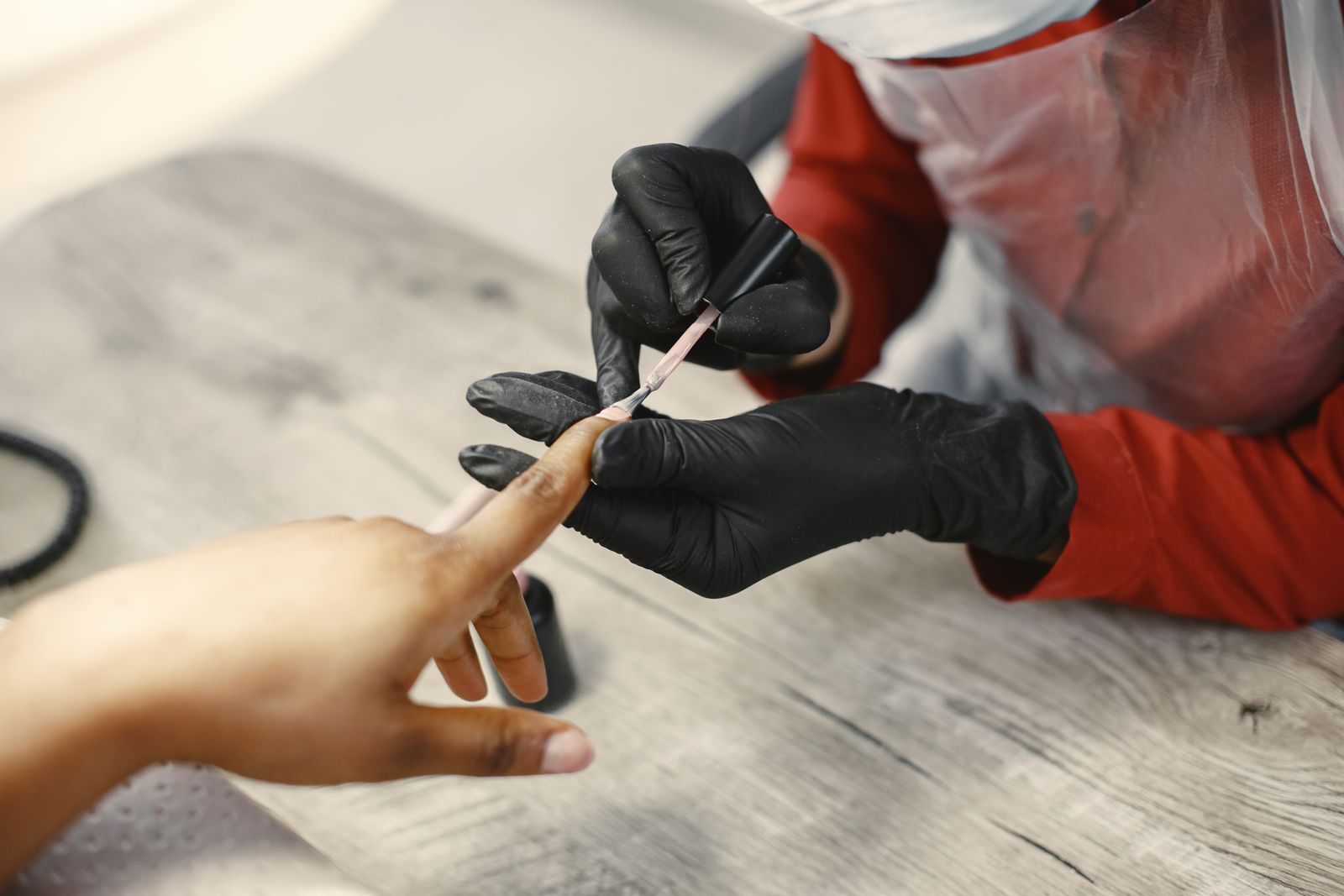
Seasonal cuticle care in the Piedmont
Cuticle care by season, in order
- Spring, garden and pollen season: Soil and frequent handwashing dry the seal out. Pass if you oil cuticles after yard work; fail sign is white, flaking edges that catch on everything by evening.
- Summer, humidity and pools: Softened cuticles tear easily. Pass if you push them back only after a shower, gently, and stop at resistance; fail if you are trimming weekly, which summer never requires.
- Fall, back to routines: Sanitizer and school-season handwashing return. Pass if a cream lives where you wash hands; fail sign is hangnails appearing on the same fingers repeatedly.
- Winter, dry heated air: This is cuticle season at its worst in Gastonia homes. Pass if oil goes on nightly and gloves go on for dishes; fail if the skin at the base is splitting, which needs moisture and time, not nippers.
- Before any manicure: Pass if the plan is soften, push, clear the film, trim only a true hangnail. Fail if anyone reaches for nippers to cut the whole line down as a routine step.
- After any cut that went too far: Redness or swelling at the base means pass on polish near the area, keep it clean, and let the seal regrow; throbbing or pus means it needs medical attention, not a touch-up.
The one exception: hangnails
A hangnail is a small strip of dead skin already separated from the fold. Leaving it invites tearing, which makes a bigger wound, so this is the one thing to cut: clip it cleanly at its base with sharp, clean nippers, in one cut, rather than pulling it. Pulling a hangnail is how a millimeter problem becomes a sore, swollen fingertip that ruins a week. At Chic Nail Spa, a careful technician trims hangnails and loose dead skin only, and pushes everything living back into place. If a salon's standard manicure involves cutting the full cuticle line away, that is a reason to ask them not to, or to go elsewhere.
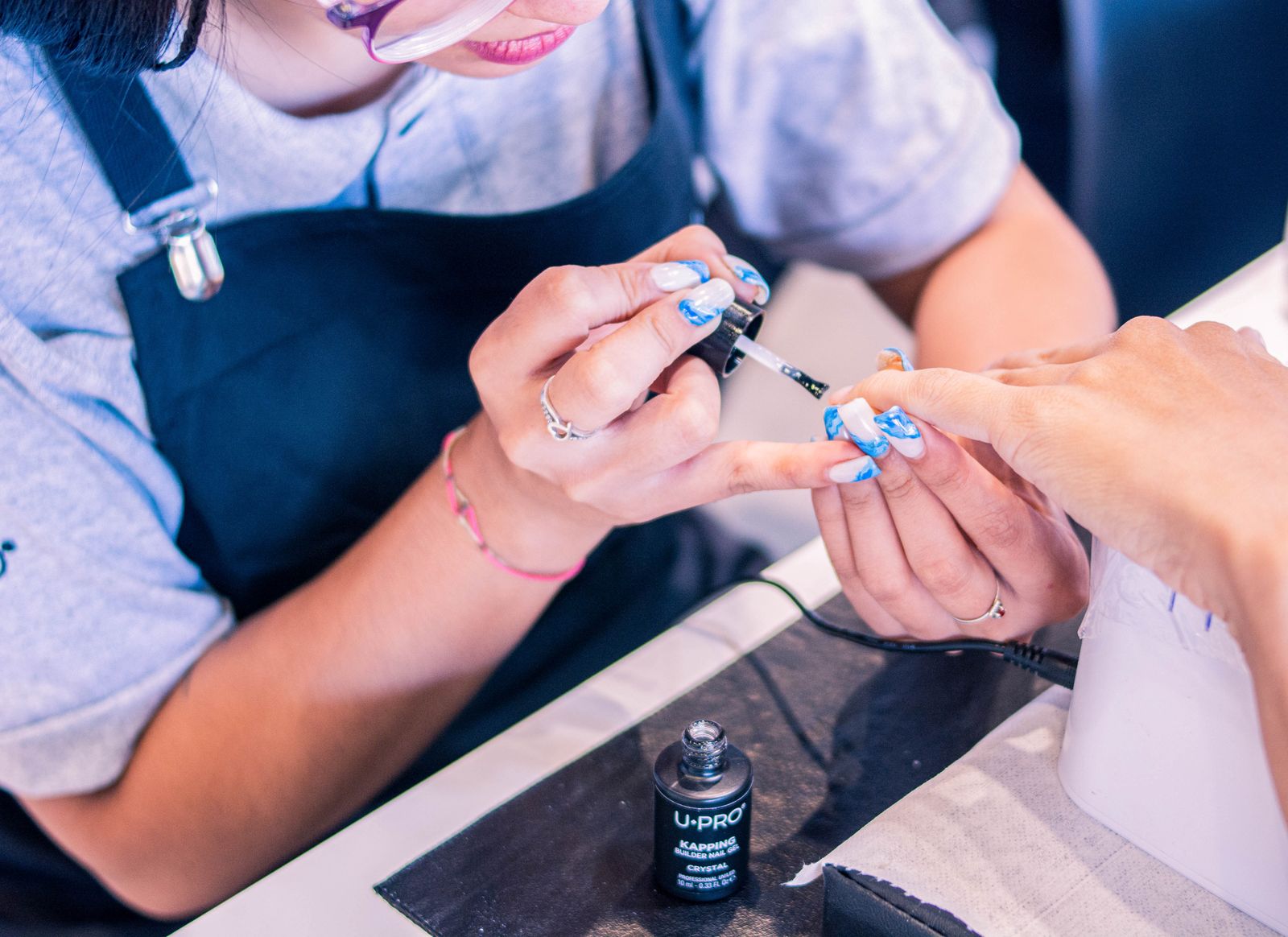
Home care that keeps the seal healthy
Daily oil is the whole program for most people. A drop worked into the base of each nail keeps the seal flexible so it does not crack and present edges to pick at. After showers, when skin is soft, use a fingertip or a soft towel to nudge the line back rather than a metal tool on dry skin. Wear gloves for dishes and cleaning chemicals, and treat a red, puffy cuticle area early: warm soaks and leaving it alone resolve most minor irritation, while pus, spreading redness, or throbbing is a doctor visit. A healthy cuticle is barely noticeable, which is exactly what a seal should be.
Common questions
Is it ever right to cut cuticles?
Only hangnails and clearly dead, lifted skin should be trimmed. The living fold at the base should be pushed back, not cut, because it is the seal protecting the nail's growth area from bacteria.
Why do my cuticles grow back rougher after cutting?
Cutting the living seal triggers a defensive response and the skin regrows thicker and more ragged. Push-and-oil care breaks that cycle within a few weeks for most people.
My cuticle area is red and swollen. Can polish go over it?
No. Covering irritated or possibly infected skin traps the problem and makes it harder to monitor. Keep it clean and uncovered, and seek care if there is pus, spreading redness, or throbbing.
Photos in this guide are representative stock images.
← All guides from Chic Nail Spa← Back to Chic Nail Spa